ROSEMARY (SALVIA ROSMARINUS)
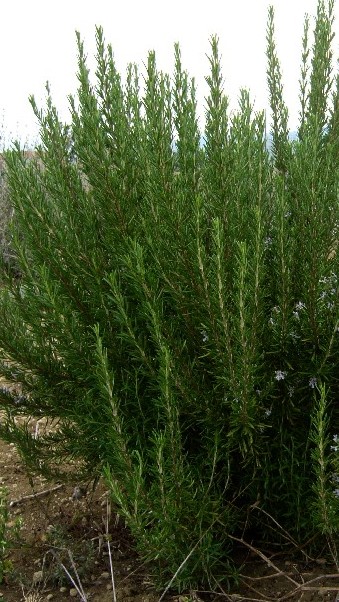
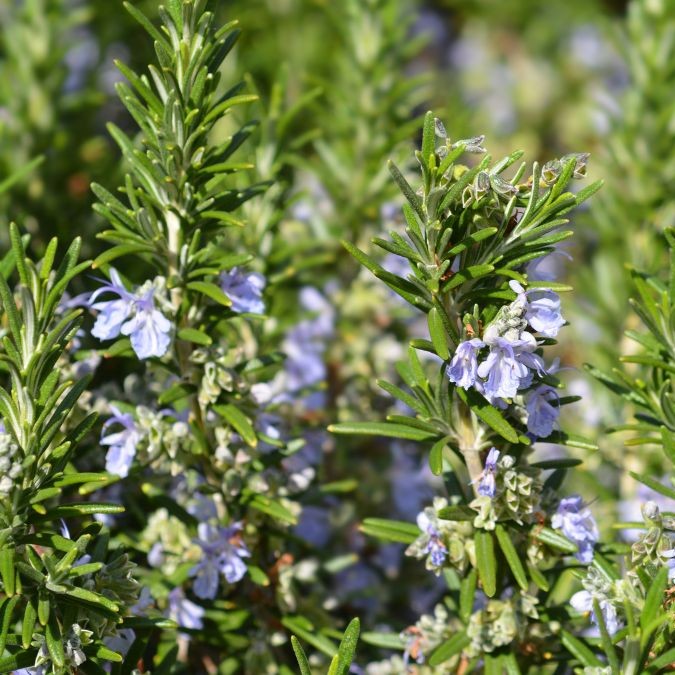
Rosemary (Salvia rosmarinus) is an aromatic evergreen shrub typical of the Mediterranean region, widespread in rural landscapes thanks to its hardiness and the intense scent of its leaves. It grows wild along coasts, sunny hills and dry terrain, adapting well to poor, well-drained soils. The plant has woody branches and narrow, elongated, dark green leaves, glossy on the upper surface and paler on the bottom. In spring and often in autumn, it produces small blue-purple flowers, highly prized by bees and other pollinating insects.
For centuries, rosemary has been used in Mediterranean cuisine to flavor meats, potatoes, bread and numerous traditional dishes. Beyond its culinary value, it is also known for its aromatic and medicinal properties and has historically been associated with symbolic meanings such as memory, loyalty and protection.
Thanks to its rusticity and the characteristic scent released by the simple contact of its leaves, rosemary is a precious presence in gardens and rural parks where it helps evoke the typical scents and colors of the Mediterranean landscape. 🌿
Its name derives from the Latin Ros maris (sea dew), due to its ability to grow spontaneously along the coasts. It is a symbol of memory and fidelity.
Rosemary is one of the most evocative essences of the Mediterranean landscape, an aromatic plant that for centuries has accompanied the coastal winds, sunny paths and the daily life of rural communities. Its intense, resinous and penetrating scent wafts through the air at the mere touch of its leaves, immediately recalling the colors and aromas which are so typical of the Mediterranean area.
Botanically, Salvia rosmarinus is an evergreen shrub belonging to the Lamiaceae family. It grows wild along the coasts, on sunny hills and in dry, stony soils, demonstrating an extraordinary ability to adapt to poor, well-drained soils. The plant has woody branches and narrow, elongated, leathery leaves, dark and glossy green on the upper surface and lighter, almost silvery, on the lower surface.
In spring and often even in the milder autumn months, rosemary is covered in small blue-purple flowers that attract bees, butterflies and numerous pollinating insects, contributing to the biodiversity of the Mediterranean ecosystem. The honey obtained from its flowers is particularly prized for its delicate, aromatic scent.
Rosemary has held a special place in Mediterranean culture for centuries. In cooking, it is one of the most widely used aromatic herbs to flavor meats, potatoes, bread and numerous traditional recipes, becoming a symbol of rural Mediterranean gastronomy. But its value goes beyond culinary use: since ancient times, it has been prized for its medicinal and aromatic properties, used in infusions, ointments and popular preparations considered beneficial for the body and mind.
Its name derives from the Latin Ros maris, “dew of the sea,” likely due to the plant’s ability to grow spontaneously along coasts swept by the sea breeze. Numerous beliefs and legends have developed around rosemary. In popular tradition, it was a symbol of memory, fidelity and protection: small sprigs were woven into wedding wreaths as a wish for lasting love while its scent was believed to ward off negative energies and protect the home.