VIBURNUM TINUS
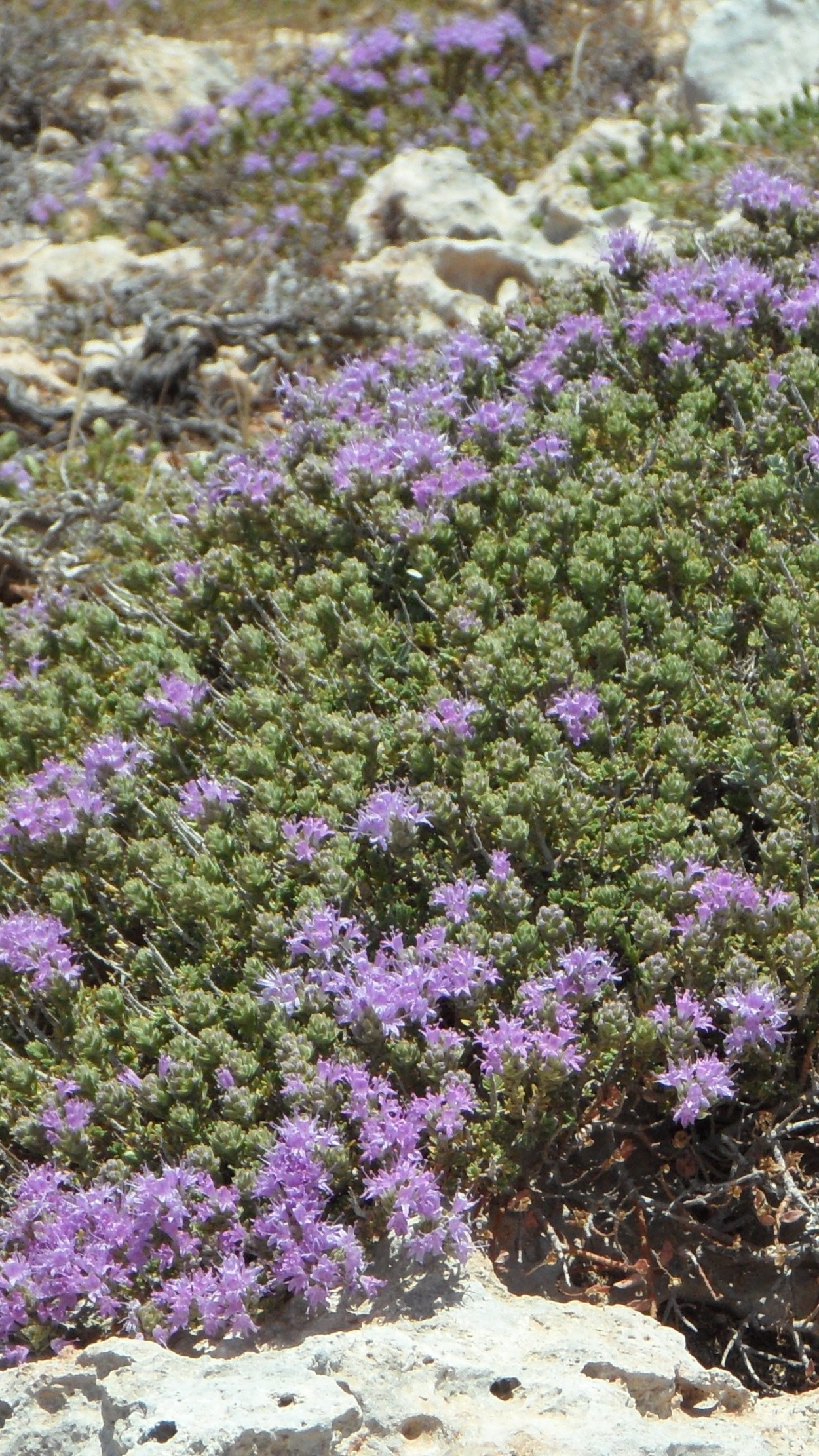
Viburnum tinum is an ornamental evergreen shrub typical of the Mediterranean region. It can reach 2–3 meters in height and is characterized by oval, glossy, dark green leaves.
Between winter and early spring, it produces elegant umbel-shaped inflorescences with small white or pink flowers, highly prized by pollinating insects. After flowering, dark blue or purple berries appear.
Thanks to its hardiness and winter flowering, Viburnum tinum is an important species for local biodiversity and helps provide shelter and food for the park’s fauna.
Curiosities and traditional uses
Its dense branches provide shelter and nesting places for small birds.
It blooms in the colder months, providing nectar and pollen to pollinating insects when few other plants are in bloom.
It has traditionally been used as an ornamental plant in gardens and parks for its winter blooms.
Viburnum tinum is one of the most elegant and silent presences of the Mediterranean scrub, an evergreen shrub that illuminates the landscape precisely during the months when nature seems to slow its pace. When winter leaves the woods bare and cold winds sweep across the landscape, viburnum tinum unfurls its delicate blooms, discreetly announcing the return of life.
Botanically, Viburnum tinus is an evergreen shrub typical of the Mediterranean region that can reach 2–3 meters in height. Its compact crown is made up of oval, leathery and glossy leaves, a deep green that remains vibrant year-round. Between winter and early spring, it produces elegant umbrella-shaped inflorescences composed of small white or slightly pink flowers, creating delicate color contrasts in the winter landscape.
After flowering, dark blue or purple berries appear which, in addition to enriching the plant from an ornamental point of view, represent a precious food resource for numerous bird species.
In the delicate ecological balance of the Mediterranean scrub, the viburnum sylvatica plays an important role in local biodiversity. Its early flowering provides nectar and pollen to pollinating insects at a time of year when few other species are in bloom, thus helping to support bees and many other beneficial insects. Its dense, intertwined branches also provide a safe haven and nesting place for small birds and other wildlife.
Thanks to its hardiness and ability to adapt to different environmental conditions, the viburnum sylvatica has always been prized as an ornamental plant in Mediterranean gardens and parks. Its discreet yet persistent presence has made it a symbol of continuity, protection and resistance to the harshest seasons.
In Mediterranean folk tradition, plants that flowered during the winter were considered signs of hope and rebirth. For this reason, the viburnum sylvatica was often associated with nature’s ability to preserve life even in the coldest and quietest periods of the year. In some rural areas, its branches were collected to decorate homes and courtyards during the transition from winter to spring as a wish for prosperity and renewal.
Even today, viburnum tino retains the charm of a simple yet precious plant: a presence capable of providing color, nourishment and shelter even when the Mediterranean landscape seems most immobile, a reminder that nature always continues to prepare for rebirth.